
ESOL OPTIONS TERM 2 – ALL QUALS
Our English for Speakers of Other Languages (ESOL) courses are an excellent choice if you want to improve your English skills to get more out of life in the United Kingdom, progress to further study, or improve your job opportunities.
Course Summary
Course Information for Students
Who is this course for?
If English is not your first language and your English skills are stopping you making progress in your life in the United Kingdom, an ESOL course are a good choice for you. You may be newly arrived in the United Kingdom, have not studied English before, or perhaps only studied English for a few years in your home country.
Entry Requirements
Before classes start, you will have an interview and take an initial assessment. Based on your skills, we will place you into the correct level class to help you progress quickly and smoothly.
What will you learn?
An ESOL course at our College can help you to improve your speaking, listening, reading and writing skills.
Lessons are topic based (e.g. shopping, health, job and interviews) and each lesson includes all the skills.
What you will study at each level:
- Beginner: Basic communication skills, starter vocabulary and simple grammar.
- Intermediate: More complex sentence structures, expanded vocabulary and improved comprehension.
- Advanced: Advanced grammar, nuanced vocabulary and fluency in various contexts.
You will develop vital English skills which will help you in everyday life – making it much easier for you to talk to doctors and teachers, to help your child with their homework, and to understand the laws and customs of the UK.
How will you learn?
Your Derby College Group experience will be interesting and rewarding. All lessons take place in the classroom with your teacher. You’ll enjoy group work, role plays, tutorials, and guest speakers. Our supportive staff have extensive experience teaching English to students from around the world.
Each year we have two terms – Term 1 (19 weeks) from September to February and Term 2 (16 weeks) from February to July.
Classes start at the pre-entry level and progress up to Level 2 and are held in the mornings, afternoons, and evenings. You’ll learn at your own pace, studying with your teacher for six hours per week in either two three-hour classes or three two-hour classes. At the end of the course, you will have the opportunity to do a nationally recognised ESOL qualification.
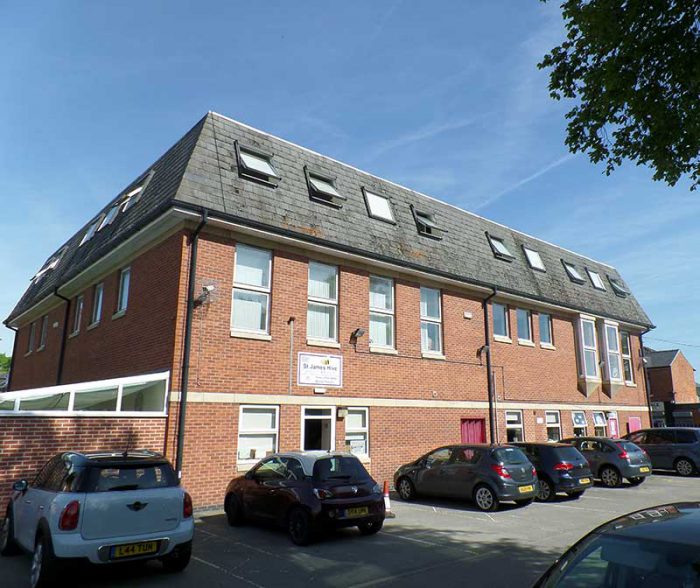
Our ESOL classes are taught in the heart of the community at the St James Centre, at two college campuses (The Roundhouse and Ilkeston). These classes are in some of the most culturally diverse areas in Derby.
You can also study maths and digital skills at the St James Centre.
What will you need to bring with you?
You will need to bring a pen, some lined paper, or an exercise book and a folder to keep your work in.
How will you be assessed?
There is an exam at the end of every term. You will do one of following:
- A reading assessment
- A writing assessment
- A speaking and listening assessment
During the term you will have regular tasks, homework and tests to complete to check your progress.
Where next?
When you pass your course, you can progress on to the next component at your current level of ESOL or on to the next level of ESOL.
You may be able to progress on to a further education course at the college, such as in Health and Social Care, Early Years, Business, or Teaching Assistant.
For people wishing to progress into further education, Level 2 ESOL is accepted for entry to a range of college courses (check with course providers for information about specific courses).
Who do you contact for more information?
For more information, contact Derby College Group on 07977 009545 or enquiries@derby-college.ac.uk
Course Information for Employers
Information for Employers
Career Information
DCG Success Stories
Discover how our students have achieved success. Their hard work and dedication to learning has enabled them to succeed in rewarding careers or progress onto higher education.

We encourage progress and aspirational outcomes by guiding people onto learning pathways that lead to positive destinations. Our students have gone on to achieve great things since leaving the College. We would like to share some of their inspiring success stories with you.
Find out what funding could be available to you:
Thinking about returning to education or developing new skills? Use our funding calculator below to get an estimate of the financial support you may be eligible for based on where you live.
Whether you’re looking to retrain, progress in your career, or try something new, funding could make your next step more accessible than you think.
Simply enter your postcode into the calculator to see an estimate of the funding that may be available in your area. This is based on regional funding allocations and typical eligibility criteria for adult learners.
Important:
The results shown are a guide only and are not a guarantee of funding.
Funding availability can vary depending on:
- Your personal circumstances (such as age, employment status, and prior qualifications)
- The course you choose
- Government and local funding rules at the time of enrolment
If you’re considering adult learning, there’s never been a better time to explore your options.
Our courses are designed to fit around your life, with flexible study options and expert support every step of the way.
Find out more about the courses available. Adult Courses
If you have any questions about funding, eligibility, or courses, our team is here to help. Contact Us

Course Information Last Updated On: August 19, 2026 8:42 pm
